
Reviewed · KITESURF, SURF & PADDLEBOARD LESSONS
Private Kiteboarding Lesson in Tulum
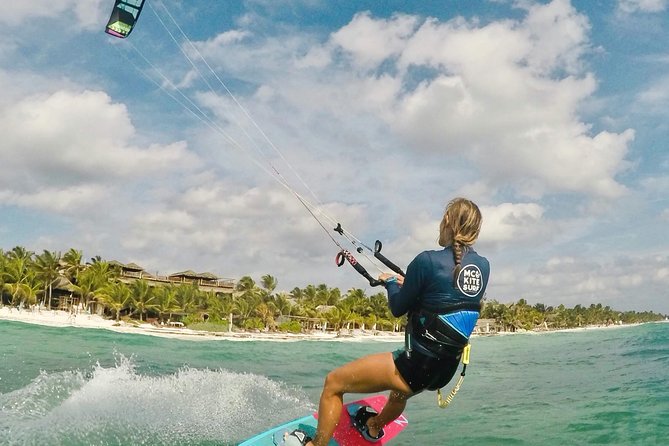
Kite day feels like a skill upgrade you can actually use. This private lesson in Tulum mixes kite theory with hands-on control drills, so you’re not guessing what the wind is doing. And because it’s taught by IKO–certified instructors, you get solid coaching from your first minutes on the beach.
I especially like the way the session starts with the basics you need to stay safe: the wind window concept, how the bar works, and the self-rescue technique. I also like the teaching style—Mauricio and Roma are both described as friendly and adaptable, and they’ll shape the lesson whether you’re brand new or chasing specific goals like strapless/winging focus.
One thing to consider: this experience depends on good weather and wind, so you’ll need to be flexible. It’s also not a fit if you have back problems or serious medical conditions, since you’ll be in the water and doing physical drills.
In This Review
- Key Things That Make This Lesson Worth It
- Kite Theory Comes First on the Tulum Coast
- Setting Up the Kite, Lines, and the Safety Stuff That Saves You
- Kite Control on Land: Get the Feel Before You Get Pulled
- In the Water: The Step-by-Step Progression That Makes Sense
- Body Drag Upwind (Step 6)
- Power Strokes (Step 7)
- Waterstart With Assistance, Then Solo (Steps 8–9)
- Riding: Downwind, Upwind, and Transitions
- Ride Downwind (Step 10)
- Ride Upwind (Step 11)
- Transitions (Step 12)
- Where the Value Shows: Private Coaching + Full Skill Coverage
- Planning Tips So You Get the Most From Your 3 Hours
- Who This Lesson Is Best For
- Quick Note on Meeting Point and Session Flow
- Should You Book This Private Kiteboarding Lesson in Tulum?
- FAQ
- How long is the private kiteboarding lesson in Tulum?
- Is this lesson private or shared with others?
- What language is instruction offered in?
- What’s included with the kiteboarding lesson?
- What isn’t included in the price?
- Where do you meet for the lesson?
- What skills will you practice on land?
- What skills do you practice in the water?
- Is there an age or health requirement?
- What happens if the weather is poor?
Key Things That Make This Lesson Worth It
- Wind window coaching up front so you can read conditions, not just copy moves
- Bar and safety systems practice before you go full power
- Self-rescue technique taught in a clear, step-by-step way
- Progression that stays logical: body drag upwind to waterstart to riding
- Private focus with IKO–certified instruction tailored to your level
- Extra water time options since paddleboarding boards are included
More kite, surf and paddleboard sessions along the Tulum shore
- Private Kiteboarding Lesson in Tulum★ 5.0 · 90 reviews
- Cenote Paddleboarding and Snorkeling in Tulum★ 5.0 · 80 reviews
- Lagoon Paddleboarding Tour in Tulum★ 5.0 · 27 reviews
- Paddleboard Cenote Tour★ 5.0 · 6 reviews
Kite Theory Comes First on the Tulum Coast
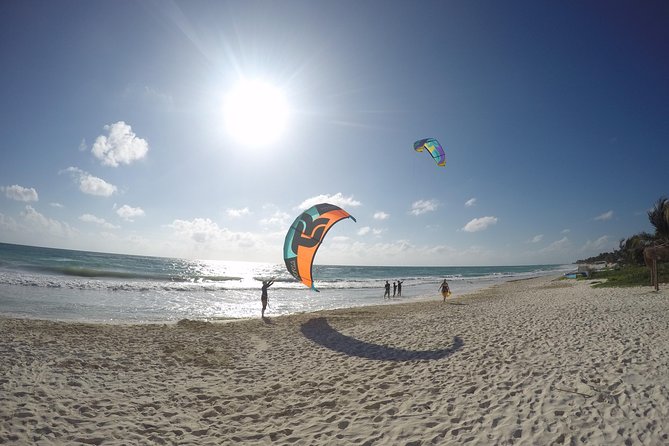
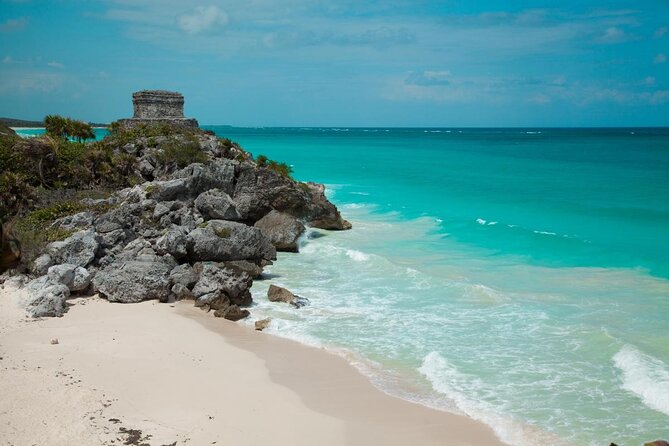
Your lesson starts at the beach near Ahau Tulum (Ahau Tulum, Carr. Tulum a Boca Paila Km. 7.5, Zona Costera, Tulum Beach, 77760). The big win here is order. Instead of jumping straight into flying a kite, you build the mental map first: what wind does, how kites behave, and how to keep control when conditions shift.
You’ll begin with kite and wind theory, including the wind window idea. That matters because kitesurfing is really about positioning and timing. If you know where the kite should be relative to you and how power changes as you move it, you’re less likely to panic when the kite pulls or drops.
You’ll also get a setup lesson: how to put the kite and lines together and get everything ready. Many first-timers lose confidence because the equipment feels like a pile of confusing parts. Here, you’re guided through the process, which shortens the learning curve fast.
Setting Up the Kite, Lines, and the Safety Stuff That Saves You
After theory, you move into hands-on setup. You’ll learn the inner workings of the bar and the safety systems—basically, how the kite’s control and emergency release work in real situations.
This is one of the best parts of the format. Safety isn’t an afterthought. You practice how everything works before you’re trying to ride. Even if you’re excited to start waterstarts immediately, taking the time with the bar and safety setup makes your whole session smoother.
Then comes self-rescue. If you’re new, this can feel awkward. But it’s confidence-building. Knowing what to do when you lose position or get tangled means you can focus on learning instead of fear.
Kite Control on Land: Get the Feel Before You Get Pulled
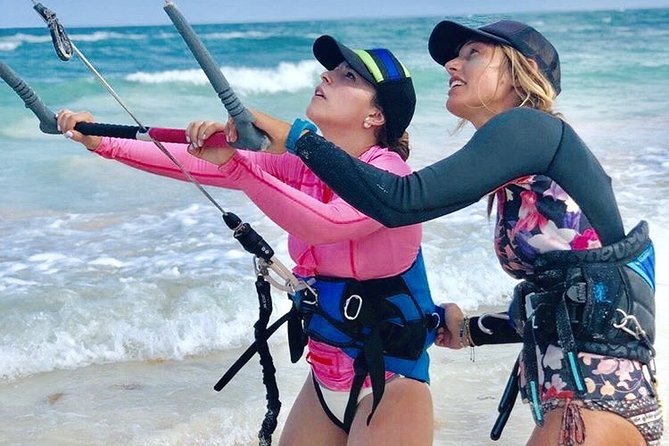
Once you understand the control basics, you’ll practice kite control. The goal isn’t just to make the kite fly; it’s to learn how small inputs create big changes.
This is where private lessons shine. Your instructor can correct your stance, line handling, and timing in real time. In the reviews, Mauricio and Roma are praised for being reasonable and professional—especially when wind isn’t cooperating—so you’re not left stranded with a half-explained kite.
If wind is inconsistent that day, expect the instructor to adjust so you still get meaningful practice. That adaptability is a major value point when you’re paying for a private session.
More private, just-your-group trips in Tulum
In the Water: The Step-by-Step Progression That Makes Sense
When you finally hit the water, the lesson moves through a planned ladder of skills. You start with body drag upwind and then progress into power strokes and waterstarts. That order matters: it builds your ability to move with the kite before you rely on the board to carry you.
Body Drag Upwind (Step 6)
Body drag upwind is about control and body position. You’re learning how to manage the kite’s pull while moving in the direction you need. This is also where you learn what feels stable and what makes you spin out or lose alignment.
Power Strokes (Step 7)
Next, you’ll practice power strokes. Think of this as learning how your movement and the kite’s power should match up. A lot of new riders struggle because they move at the wrong time. Power stroke practice helps you connect the two so the pull turns into momentum you can use.
Waterstart With Assistance, Then Solo (Steps 8–9)
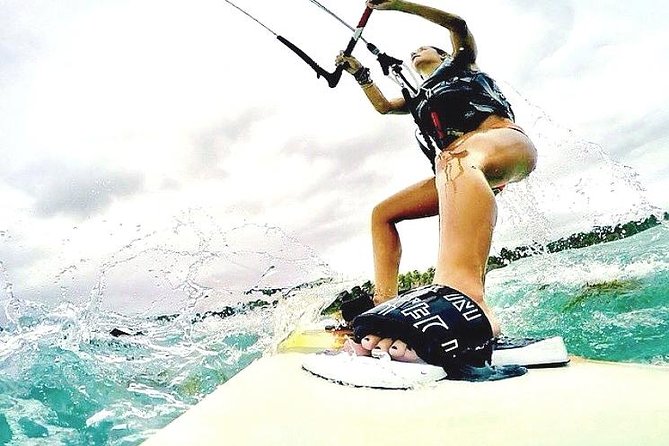
You’ll work on a waterstart with assistance first. That means you’re not completely on your own when you’re trying to get the board to pop up and glide. The instructor can guide you through the timing and body position so you don’t build bad habits.
Then you’ll do waterstart solo. This is a confidence moment. By then, you’ve already seen what success looks like and what errors usually come from—so you can focus on repeating the good cues.
If you’re brand new, you’ll likely appreciate the staged approach. If you already ride a bit, you might like how it targets the fundamentals that make or break a clean start.
Riding: Downwind, Upwind, and Transitions
Once the waterstart clicks, the session shifts into riding: ride downwind, ride upwind, and then transitions.
Ride Downwind (Step 10)
Downwind riding usually feels more natural at first because the kite can help you keep speed. It’s a chance to practice stance and steering without fighting as many uphill angles early on.
Ride Upwind (Step 11)
Upwind is where kitesurfing becomes more technical. You need pressure on the board and good body control to keep edging effectively. Working upwind is a practical way to learn how to angle the board and manage kite power while you resist being pulled sideways.
Transitions (Step 12)
Transitions are where you start to feel like you’re actually kitesurfing, not just being towed. You’ll practice changing directions and handling the kite while your board changes track. Even if you’re not doing advanced tricks, transitions build the coordination that you’ll use later for more complex moves.
Where the Value Shows: Private Coaching + Full Skill Coverage
For $270 per person over about 3 hours, you’re paying for coaching time, gear use, and a structured progression. That’s the key: this isn’t a generic kite watch-and-hope session.
You get:
- an IKO certified instructor
- kiteboarding gear
- bathrooms, showers, and Wi‑fi on site
- use of paddleboarding boards
Not included:
- transportation
- food and drinks
The included shower and bathroom access matters more than it sounds. A lesson involves getting wet, sandy, and properly tired. Being able to rinse off and change keeps you from turning the rest of your day into a muddy slog.
Also, because it’s a private tour/activity, only your group participates. That means more time for feedback and fewer moments where you’re waiting your turn to try something.
Planning Tips So You Get the Most From Your 3 Hours
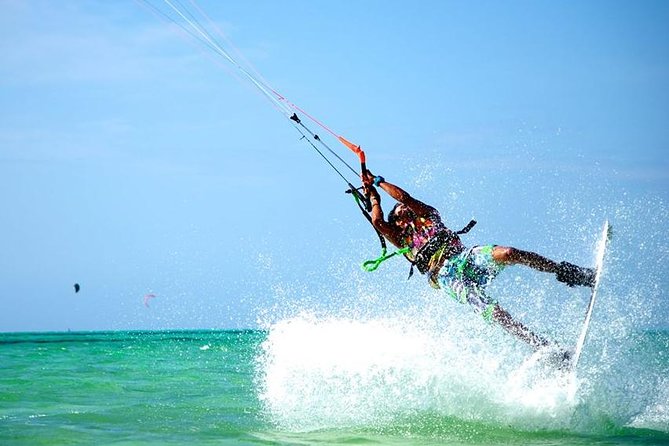
Kitesurfing lessons move fast, even in a calm, beginner-friendly way. Here’s how I’d set you up for a good session day:
- Arrive ready to move. This is moderate physical fitness territory, and you’ll be in the water for drills.
- Don’t treat it like a show. The best improvement comes when you follow the instructor’s corrections immediately.
- Ask for the why, not just the what. If you understand wind window and bar/safety logic, you’ll get more from each practice attempt.
- Bring a plan B mindset. If wind is poor, the instructor may adjust the schedule. The experience is subject to favorable weather, and that flexibility keeps the lesson useful.
If you want a lesson that feels personal—like someone is actually watching your form and not just managing a group—this private format is built for you.
Who This Lesson Is Best For
This works for all skill levels, including beginners. The structured steps make it approachable if you’re starting from zero, while the private pacing can still help more experienced riders clean up fundamentals.
You’ll likely enjoy it most if:
- you want safe technique and control knowledge (the bar, safety systems, self-rescue)
- you want a lesson tailored to your goals
- you’re traveling to Tulum and want a focused activity that doesn’t drag on all day
You should rethink it if you have back problems or serious medical conditions, since you’ll be doing physical water drills and body movements.
Quick Note on Meeting Point and Session Flow
You start at Ahau Tulum and end back there. That’s helpful because you’re not stuck figuring out a second transfer point. The lesson is about 3 hours, and it’s designed to run as a full arc: beach skills first, then water, then riding practice.
Language instruction is offered in English, and you’ll receive confirmation at booking time. You’ll also get a mobile ticket.
Should You Book This Private Kiteboarding Lesson in Tulum?
If you want to learn kitesurfing with real instruction—not just equipment and hope—this is a strong bet. The big reasons to book are the teaching order (wind window to bar/safety to self-rescue), the clear progression in the water, and the fact it’s private with IKO–certified instructors.
My only hesitation is weather dependence. If you’re visiting during a period with weak wind, you might have to reschedule. Still, the experience offers an alternative date or a full refund if it’s canceled due to poor weather.
If you like structured coaching, want safety basics taught properly, and want to go beyond a first splash into real riding attempts, book it.
FAQ
How long is the private kiteboarding lesson in Tulum?
It lasts about 3 hours.
Is this lesson private or shared with others?
It’s private. Only your group participates.
What language is instruction offered in?
The lesson is offered in English.
What’s included with the kiteboarding lesson?
You get an IKO certified instructor, kiteboarding gear, and use of bathrooms, showers, and Wi‑Fi. Paddleboarding boards are also included.
What isn’t included in the price?
Transportation and food and drinks are not included.
Where do you meet for the lesson?
You start at Ahau Tulum, Carr. Tulum a Boca Paila Km. 7.5 Zona Costera, Tulum Beach, 77760 Tulum, Q.R., Mexico. The activity ends back at the meeting point.
What skills will you practice on land?
You’ll cover kite and wind theory, setting up the kite and lines, how the bar and safety systems work, self-rescue technique, and kite control.
What skills do you practice in the water?
You’ll work on body drag upwind, power strokes, waterstart with assistance, waterstart solo, riding downwind, riding upwind, and transitions.
Is there an age or health requirement?
Minimum age is 10. It’s not recommended for participants with back problems or serious medical conditions. Moderate physical fitness is required. Service animals are allowed.
What happens if the weather is poor?
The lesson depends on favorable weather. If canceled due to poor weather, you’ll be offered an alternative date or a full refund. You can cancel for free up to 24 hours in advance for a full refund.
More Private Tulum Tours
More Tour Reviews in Tulum




More Kite, Surf and Paddle
Not quite it? Here is more to do around Tulum we have been out and reviewed
- Tulum Taco Tour
★ 5.0 · 3 reviews - Tulum: Sport Fishing Experience with Ceviche
★ 4.0 · 3 reviews - Tulum: Half-Day Adventure Zip line Cenote in Mayan Community
★ 3.5 · 3 reviews - Tulum : Dos Ojos cenote 2 scuba dives (certified divers)
★ 5.0 · 3 reviews - Xoximilco Night Cruise With Round Transportation from Tulum City
★ 5.0 · 3 reviews
Kitesurf, Surf & Paddleboard Lessons, compared.
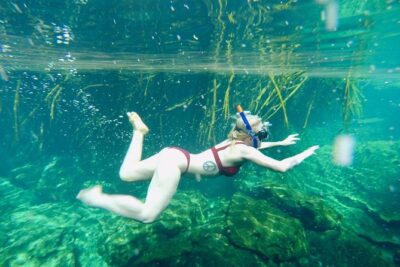 ★ 5.0Cenote Paddleboarding and Snorkeling in TulumFrom $12580 reviews
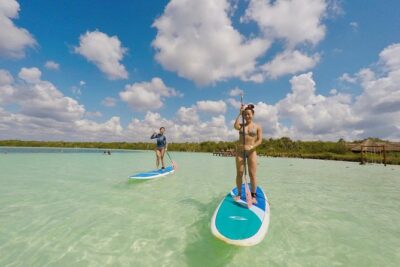 ★ 5.0Lagoon Paddleboarding Tour in TulumFrom $12527 reviews
 ★ 5.0Basic Surf Lessons in TulumFrom $5121 reviews
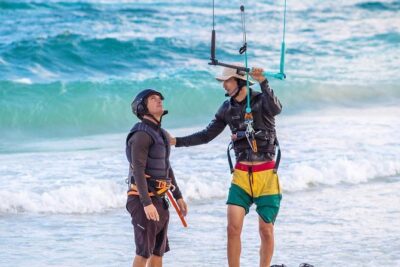 ★ 5.0Group Kiteboarding Lesson in TulumFrom $1506 reviews
 ★ 5.0Paddleboard Cenote Tour6 reviews
 ★ 5.0Private Kitesurfing Lessons in Tulum with a Private Beach Access 3hrs3 reviews
 ★ 5.0Ultimate Surf Lesson in Tulum 1hr3 reviews
Browse the lists this tour appears in