
Reviewed · TULUM CENOTE TOURS & SWIMS
2 dives in Cenote Dos ojos Certified Divers
If you want something more interesting than a standard cenote stop, this two-cenote scuba outing is a great fit. I like how it starts with hands-on gear fitting so you’re not wrestling equipment once you’re already underwater. And I also like the small-group size, which means your guide can actually watch your comfort level and adjust before things get busy.
Your experience centers on two different cenote locations (starting with Cenote Dos Ojos), and you’ll get guided briefings, transport, and the essentials like equipment plus snacks and beverages. One thing to consider: the price covers a lot, but cenote entrance fees are not included, and the second cenote choice can affect what you pay overall.
In This Review
- Key details to know before you go
- The real appeal: two cenotes with different vibes
- Getting there and getting kitted up at Agua Clara Diving
- Cenote Dos Ojos: what to expect from the first session
- The break you actually need: snacks, refreshments, and lunch timing
- Second cenote choice: Casa Cenote or Gran Cenote based on fit
- What to bring: small gear choices that can save the day
- Guides and safety: why patient coaching matters
- Price and value: what $200 covers and what you still need to plan
- Solo note
- Who should book this tour (and who should pause)
- Should you book this Cenote Dos Ojos two-session experience?
- FAQ
- What time does the tour start, and how long does it last?
- Is hotel pickup included?
- Do I need scuba certification to participate?
- Are cenote entrance fees included in the $200 price?
- What’s included for food and drinks?
- How small is the group?
Key details to know before you go
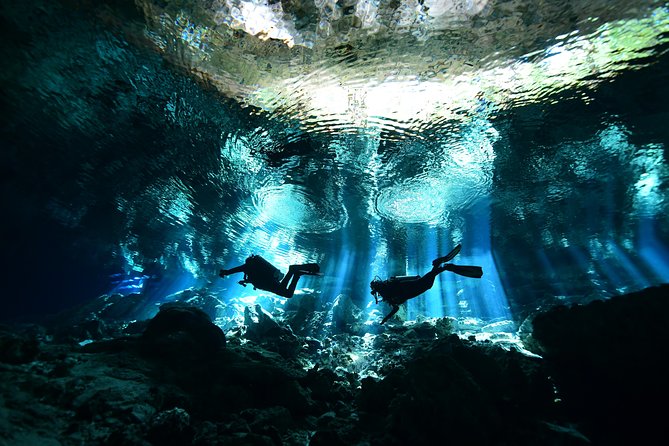
- Small group of max 4 people, so you get real attention in tight cave/cavern spaces
- Equipment is included, and you can try gear first to get the right fit
- About 40–45 minutes underwater per cenote, with a break for food and refreshments
- Second cenote depends on your preference and skill level, with options like Casa Cenote or Gran Cenote
- You must bring proof of scuba certification, since this is for certified participants
More cenotes to float, swim and snorkel around Tulum
- Chichen Itza, Cenote and Valladolid Small Group Day Trip★ 5.0 · 2,104 reviews
- Tulum Guided Tour, Magical Cenote, Lagoon Snorkeling and Beachside Lunch★ 5.0 · 1,888 reviews
- Tulum Ruins, Turtles in Akumal and Cenote tour★ 5.0 · 1,706 reviews
- Selva Maya Eco Adventure Park: Ziplining, Hanging Bridges, Rappelling and Cenote★ 5.0 · 1,057 reviews
The real appeal: two cenotes with different vibes
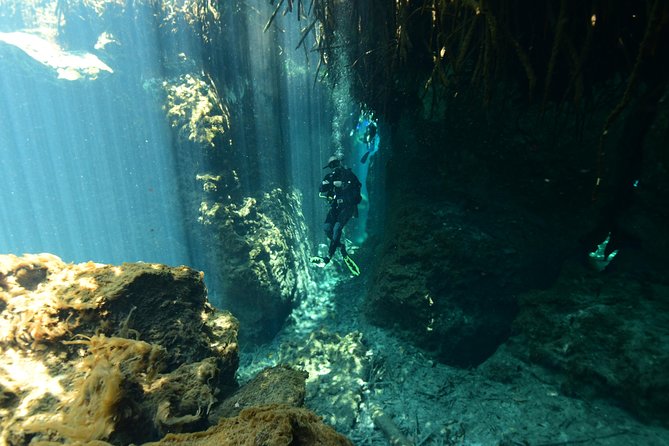
In Tulum, cenotes can feel similar on the surface—cool water, big openings, dramatic rock. The value here is that you’re not just seeing one spot. You’re doing two separate underwater routes, starting at Cenote Dos Ojos, then moving on to a second cenote selected based on what you want and what you’re comfortable with.
Why that matters: the first cenote is where you set your rhythm. Once you’ve practiced buoyancy and gotten used to breathing underwater in a fresh-water environment, the second location usually feels more natural. In real life, that can turn a first-timer wobble into actual confidence—especially because the guides focus on comfort and proper gear use before you go in.
Also, the group size helps. In larger groups, you spend more time waiting, adjusting, and feeling rushed. With max four people, your pace is more realistic, and your guide can keep an eye on breathing balance and body position. That’s the difference between just surviving a cool experience and having one you’ll remember for the right reasons.
Getting there and getting kitted up at Agua Clara Diving
The meeting point is at Agua Clara Diving Tulum on Carretera Tulum-Boca aila km 5, near Hotel Zamas. The start time is 8:30 am, and the tour ends back at the same meeting spot. There’s no hotel pickup or drop-off, so plan to get yourself to the start point (it’s also noted as being near public transportation).
Once you arrive, what I’d call the smartest part comes first: equipment trial and fitting. The tour emphasis is very clear—get the gear right before you start. That usually includes checking how your buoyancy control device sits on your body and whether the fit helps you stay calm and stable.
Then the guide drives to the cenote, gives a briefing, and you suit up again with the right setup for what’s coming next. This flow is worth it because it reduces the two biggest underwater annoyances: starting with gear that doesn’t feel right, and guessing how to handle buoyancy once you’re already under.
Practical tip: if you wear any personal gear (like a mask or prescription lenses), set everything out the night before so you don’t scramble at 8:30. The tour moves, but it does so with the intent to get you ready properly.
Cenote Dos Ojos: what to expect from the first session
Your first stop is Cenote Dos Ojos. This is the moment where cave/cavern routes can feel both gorgeous and a little intense, especially if you’re still learning how to control your breathing and buoyancy.
Time underwater is typically around 40–45 minutes, though it can vary based on conditions and pacing. Before you enter, the guide briefing is the key. You’ll get what you need to know for the route, how to communicate, and how to handle balance while moving through formations.
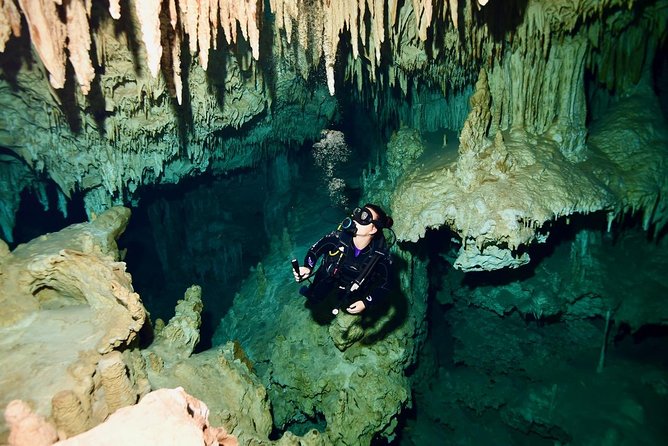
What I think you’ll notice most in Dos Ojos is the rock structure—stalagmites, stalactites, and columns. The way the formations frame your line of sight is part of the magic here. In simple terms: you’re not just looking at water. You’re swimming through a sculpted underground world, and the guide’s direction matters because it affects your comfort and where you look.
From past experiences with this kind of setup, I also recommend you practice staying relaxed even when you feel your brain doing the normal first-time math: breathing rate, fin kicks, how your body floats. The best outcome is calm control, not speed. The guides in this program have a reputation for being patient and attentive with comfort and safety, including coaching people who need help adjusting buoyancy.
Going under? More cavern dives and freedives in Tulum cenotes
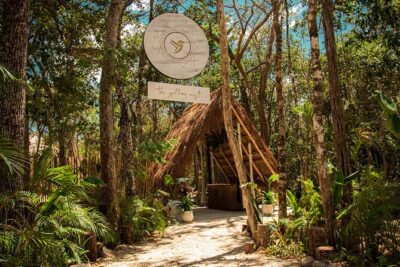
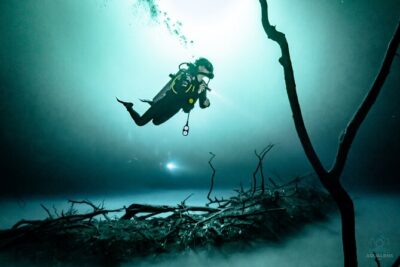
The break you actually need: snacks, refreshments, and lunch timing
After the first underwater session, you get a break for snacks and refreshments. Depending on the timing, you’ll also have lunch. This matters more than it sounds.
Cenotes can be cool, but your body still expends energy underwater—plus you’re wearing gear that changes how you move. A proper break helps you reset before the second location, and it also gives you a chance to talk with your guide about how the first route felt.
Here’s what to do to make the break work for you:
- Sip water even if you don’t feel thirsty.
- Eat something light if you get even slightly queasy.
- If you’re using a camera, check settings before the second session so you’re not scrambling afterward.
One note from experience-style tips: battery life can disappear fast when you’re taking photos in low-light conditions. If camera memories matter to you, it’s smart to conserve power and plan your shots.
Second cenote choice: Casa Cenote or Gran Cenote based on fit
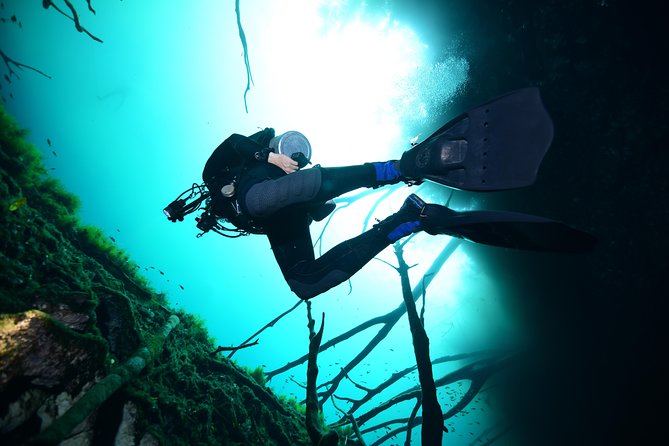
The second cenote location isn’t always the same for every group. It depends on your preference and skill level. Options can include places like Casa Cenote or Gran Cenote.
That flexibility is a value for you because cenotes aren’t one-size-fits-all. Some routes feel easier, some feel more structured, and the experience can vary with conditions. When the operator chooses based on comfort level, it lowers the risk of doing something that’s technically fine but emotionally too much.
Pricing can shift slightly too. Some cenote combinations are $10 more expensive because entrance fees change between cenote locations. The tour price you book is $200 per person, and it includes taxes, transport, equipment, snacks, beverages, and a professional guide—but you should still budget for entrance fees at the cenotes you end up doing.
My advice: when you get the note from the bookings team about which cenotes suit you better, ask which entrance fees you’ll be paying on your end and whether both locations affect your total. It avoids surprise math later.
What to bring: small gear choices that can save the day
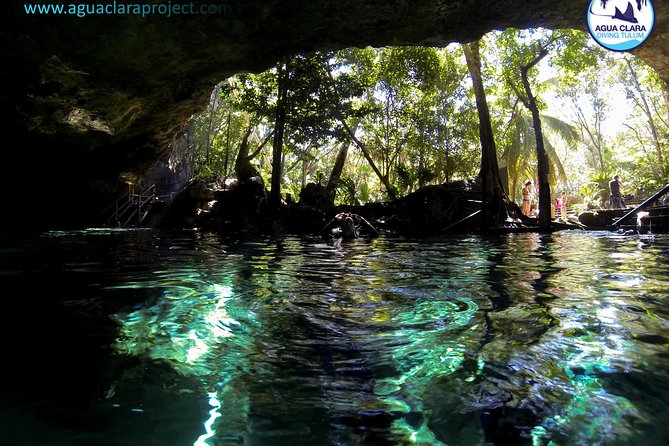
The tour includes the necessary scuba equipment and transport, so you’re mostly showing up ready to wear what you’re given. That said, there are a few things that can noticeably improve your day.
1) Bio-degradable sunscreen and insect repellent
The guidance is to use bio degradable products, and the shop sells both. That’s not just eco talk. Some cenotes have rules about what you can put on your skin.
2) Consider mosquito protection
One clear tip from previous experiences: mosquitoes can be a real issue. A long-sleeve wet suit is often helpful if you tend to get bitten quickly.
3) Bring a simple camera plan
Low-light underwater shots are fun, but you’ll likely want to manage battery life. If you love photos, plan for fewer, better shots rather than maxing out capture time.
4) Dress for cool-to-wet conditions
Even with scuba gear, the wait times and the cenote air can feel cooler than you expect. Wear something you can move in, and don’t wear anything you’ll hate getting wet.
Guides and safety: why patient coaching matters
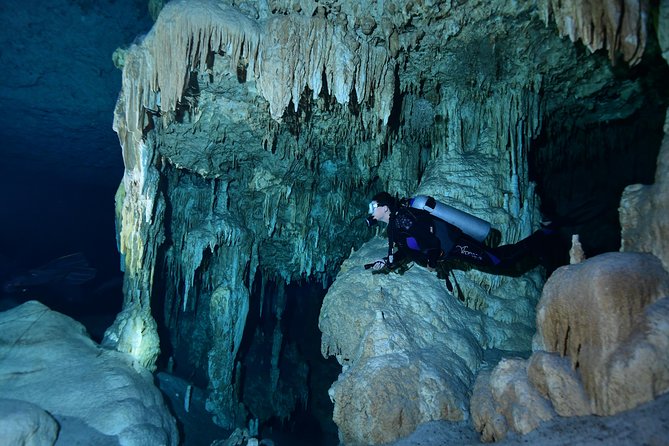
This is the kind of experience where the guide’s style changes your outcome. In this program, the guide attention is a big part of why people rate it so highly.
You might work with guides like Julio, Alberto, Leo, Marcello, or Luke. Across those experiences, the consistent theme is safety-focused coaching: helping you get the right buoyancy, explaining what to do before you go in, and being patient if you need extra time to feel comfortable.
If you’re asking, should I be nervous? My take: it’s normal to be a little tense on your first cave/cavern route. What you want is a guide who slows things down enough for you to understand your gear and movements. This tour is built around that idea—try the equipment first, get briefed well, and then move into the cenote with a plan.
Also, the requirement for proof of certification is there for a reason. If you’re certified, you’re likely comfortable with underwater breathing, basic buoyancy control, and following instructions. That’s how you keep the whole experience calm for everyone.
Price and value: what $200 covers and what you still need to plan
The listed price is $200 per person, and it includes:
- All taxes, fees, and handling charges (as stated)
- All necessary scuba equipment
- Transport from a central Tulum meeting point
- Snacks and beverages
- A professional guide
What’s not included:
- Cenote entrance fees
- Hotel pickup/drop-off
So the value equation looks like this: you’re paying for a guided, gear-supported experience with transport and food, not just access to water. That’s why $200 can feel fair—especially in a small group—because the operator isn’t charging you separately for every basic service.
Your main budgeting variable is entrance fees. Since some cenote combinations cost $10 more, it’s smart to confirm which locations you’ll be doing when you book. If you’re the type who likes exact totals, ask the bookings team for your expected entrance-fee add-on for your chosen route.
Solo note
If you’re the only certified participant going out, you can still join, but there’s a $15 USD extra charge. If you love a quiet day and you’re okay paying a little more for the flexibility, it can be worth it.
Who should book this tour (and who should pause)
This isn’t a random snorkel outing. It’s for people who can handle scuba requirements and want a guided cave/cavern experience in fresh water.
You’ll likely be a good match if you:
- Have proof of scuba certification and feel comfortable controlling buoyancy
- Like small-group attention and clear coaching
- Want to see Cenote Dos Ojos plus a second cenote route chosen for your skill level
You might want to pause or ask extra questions if you:
- Don’t have scuba certification proof (it’s required)
- Have trouble with moderate physical fitness demands (the tour notes moderate physical fitness level)
- Are sensitive to mosquitoes and didn’t plan for protective clothing
If you’re traveling with someone new to water confidence, the key is that the guide can help people get comfortable with equipment and breathing steps before continuing. But nobody can promise confidence will appear instantly—so go in realistic, take coaching seriously, and don’t let pressure rush you.
Should you book this Cenote Dos Ojos two-session experience?
I’d book it if you want two guided cenote underwater routes in a small group, with equipment included, plus snacks, beverages, and a real buffer break between sessions. The start at 8:30 am keeps the day moving, and the choice of the second cenote makes it easier to match your comfort level.
Skip it if entrance fees would be a dealbreaker for your budget, since they are not included and can vary by cenote. Also, if you hate the idea of scuba gear fitting and pre-water coaching, you’ll want to look for a different type of cenote activity.
If you do book, I’d bring:
- bio-degradable repellent or plan to buy it at the shop
- a long-sleeve wet suit option if you get bitten easily
- a simple camera battery plan
One last practical thought: this is the kind of day where you’ll enjoy it more when you treat it like a coached skill practice, not a race. Stay calm, follow instructions, and you’ll get your money’s worth in those rock formations and that cool, blue-green water.
FAQ
What time does the tour start, and how long does it last?
It starts at 8:30 am and runs for about 5 hours.
Is hotel pickup included?
No. The tour includes transport from a central meeting point in Tulum, but not hotel pickup or drop-off.
Do I need scuba certification to participate?
Yes. Evidence of scuba certification is required from all participants.
Are cenote entrance fees included in the $200 price?
No. Cenote entrance fees are not included. Some cenote combinations can cost $10 more due to entrance fee changes.
What’s included for food and drinks?
Snacks and beverages are included. Lunch may also be provided depending on the timing.
How small is the group?
The tour is limited to a maximum of 4 travelers.
More Tour Reviews in Tulum
Deeper Into the Cenotes
Tulum's Cenotes, Keep Swimming
Not quite it? Here is more to do around Tulum we have been out and reviewed
- Tulum Taco Tour
★ 5.0 · 3 reviews - Tulum: Sport Fishing Experience with Ceviche
★ 4.0 · 3 reviews - Tulum: Half-Day Adventure Zip line Cenote in Mayan Community
★ 3.5 · 3 reviews - Tulum : Dos Ojos cenote 2 scuba dives (certified divers)
★ 5.0 · 3 reviews - Xoximilco Night Cruise With Round Transportation from Tulum City
★ 5.0 · 3 reviews
Tulum Cenote Tours & Swims, compared.
 ★ 5.0Chichen Itza, Cenote and Valladolid Small Group Day TripFrom $2142,104 reviews
 ★ 5.0Tulum Guided Tour, Magical Cenote, Lagoon Snorkeling and Beachside LunchFrom $1691,888 reviews
 ★ 5.0Tulum Ruins, Turtles in Akumal and Cenote tourFrom $1291,706 reviews
 ★ 5.0Selva Maya Eco Adventure Park: Ziplining, Hanging Bridges, Rappelling and CenoteFrom $801,057 reviews
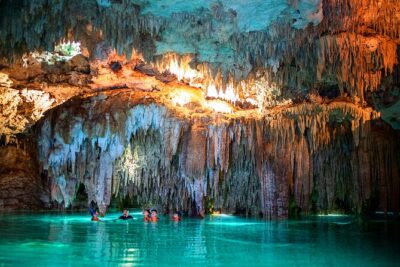 ★ 5.0Magical Cenote and Paradise Lagoon Snorkeling AdventureFrom $99808 reviews
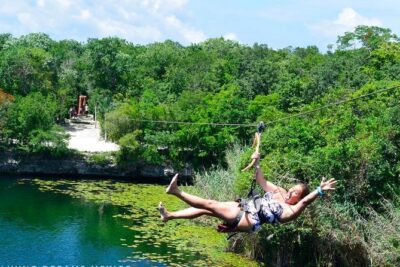 ★ 5.04 Private Cenotes, Zip-Lines, Canoes & Mayan Village with Delicious LunchFrom $275757 reviews
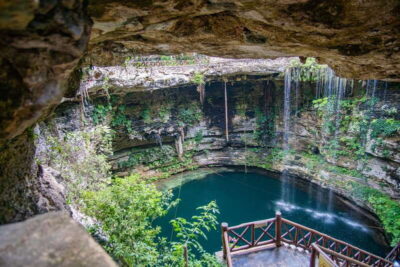 ★ 4.6Riviera Maya: Coba & Chichen Itza Ruins with Cenote SwimFrom $971627 reviews
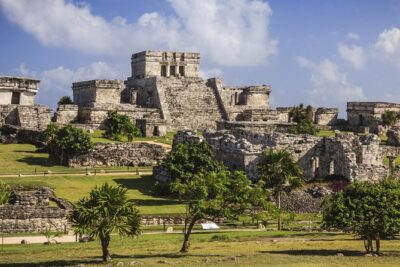 ★ 4.0Tulum and Coba with Cenote Swim and Lunch from CancunFrom $89595 reviews
Browse the lists this tour appears in