
Reviewed · TEMAZCAL, YOGA & WELLNESS RITUALS
Yoga and Meditation DEtox Retreat
Tulum, but make it breath-led healing.
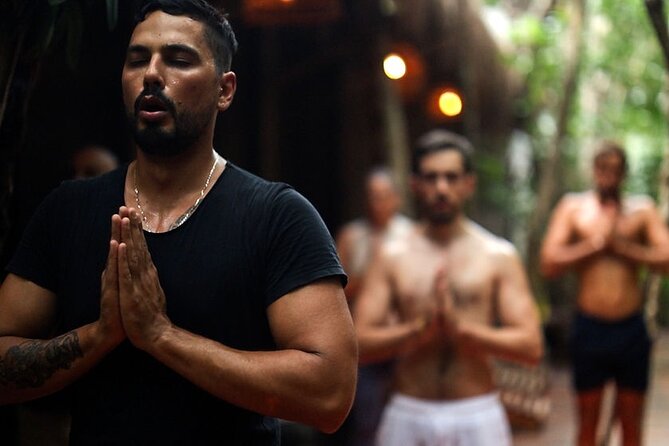
This 3-day yoga and meditation detox retreat is built around yogic and Ayurvedic-style breathing and meditation, with a schedule that pushes you to reconnect mind, body, and spirit. You also start early and work outdoors, including a cenote stop in the Aktun-Ha (Cuzama) area.
Two things I’d zero in on right away: the teaching approach and the variety of practices. The retreat is led by Elizabeth (Liz), who’s described as energetic, professional, and good at meeting you where you are, including adapting sessions for injuries or different bodies. And the program layers practices together, from dawn yoga to rituals, temazcal, sound healing, and even cacao.
One consideration: the retreat includes fasting and a morning start around 6:00am, so it’s not a casual lie-in vacation. It also has a moderate fitness expectation, and it’s adults-only (no children), so plan it as a focused reset rather than a soft-schedule escape.
In This Review
- Key points worth knowing before you go
- A 6:00am routine in Tulum: why the schedule works
- Elizabeth (Liz) and the yoga approach that feels safe
- Breathing, Ayurvedic meditation, and the mind-body reset
- Temazcal and sound healing: the ceremonial layer
- Cenote Aktun-Ha (Cuzama): practicing in nature
- Between sessions: aquagym, massage, and recovery time
- Fasting and fasting-adjacent intensity: how to prepare
- Price and what $2,000 really buys you for three days
- Who should book, and who should consider a different trip
- Should you book this detox retreat in Tulum?
- FAQ
- How long is the Yoga and Meditation Detox Retreat?
- Where does the retreat take place?
- Is the retreat private, and is it only for adults?
- What language is the retreat offered in?
- What’s included in the retreat program?
- What happens if you need to cancel or the weather is bad?
Key points worth knowing before you go
- Dawn yoga starts early and sets the tone for the whole retreat
- Elizabeth (Liz) leads with a non-intimidating, adaptable style for different needs
- Temazcal + sound healing add a deeper, more ceremonial layer to the detox
- Cenote Aktun-Ha (Cuzama) brings the practice into dramatic natural surroundings
- Fasting and breathing work are central, so you should be comfortable with intensity
- Private group format means your retreat feels more personal and paced
Reset with more temazcal, yoga and wellness rituals in Tulum
- Private or Shared Mayan Temazcal Ritual from Tulum★ 4.0 · 17 reviews
- Silent Meditation in the Heart of the Cenote – Private groups★ 5.0 · 12 reviews
- Temazcal Experience in Tulum Alternative Medicine Maya Heritage★ 5.0 · 10 reviews
- Floating Breakfast+Cavern Tour includes entrance to the cenote-Temazcal★ 4.0 · 7 reviews
A 6:00am routine in Tulum: why the schedule works
The retreat’s day rhythm is designed around early practice. With a start time of 6:00am at Monte Cibeles 6 in Santa Fe del Carmen (near Playa del Carmen), you’ll get moving before heat and crowds become a factor. For a detox-style experience, early sessions help you stay in “present mode” instead of thinking about the day ahead.
This matters because the theme isn’t just relaxation. The goal is a clearer, less chaotic perception—basically, less mental noise and more body-based awareness. Starting early supports that, because you’re training attention before your brain has the chance to spin up.
You’ll also be moving through different states on purpose: breath, meditation, sound, ritual, and some bodywork. When the schedule is structured this way, you’re less likely to treat it like a one-off class and more likely to leave with a practice you can repeat at home.
Elizabeth (Liz) and the yoga approach that feels safe
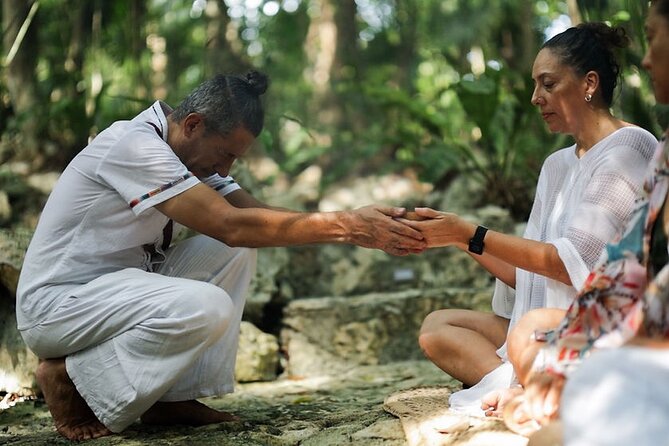
A huge part of why this retreat stands out is the way it’s taught. Elizabeth (Liz) is repeatedly described as professional and energetic, but also deeply supportive. You don’t have to worry about being pressured into advanced poses or feeling awkward in your own body.
The most practical takeaway is adaptation. The program is described as adjusting to injuries or circumstances, so you’ll likely get options rather than a single “do it this way” standard. That’s a big deal if you have tight hips, a cranky back, wrist issues, or just a body that isn’t ready for intense stretching every day.
The retreat also uses meditation to help you step out of your head. That matches the broader objective of reconnecting psyche, body, and soul through tools that expand your energy field and clarify connection. In plain language: you’re learning techniques you can use when your brain goes loud.
And because it’s a private activity, your group should feel more contained. Fewer people often means more attention to pacing, breathing, and comfort—especially helpful in a retreat environment.
Breathing, Ayurvedic meditation, and the mind-body reset
This isn’t only yoga poses. The core is yogic and Ayurvedic meditation and breathing techniques aimed at shifting how you perceive yourself and the world. The language around the retreat talks about releasing frustration and negative emotions from the present, and that’s exactly what breathwork and guided meditation are meant to support.
Breathing practices tend to do two things quickly. First, they help you stop fighting your body and start working with it. Second, they give your attention a job, so your mind has less room to spiral.
Meditation here is described as very relaxing, with scenery that adds to the calm. Even if you don’t consider yourself a meditation person, that combination is often a gateway: the instructions help, and the setting makes it easier to soften.
A useful mindset going in: treat this as a training block, not a one-time emotional miracle. The retreat’s structure—dawn yoga, rituals, breath, meditation, sound healing, and closing ceremony—gives you repeated chances to practice “new default settings.”



Temazcal and sound healing: the ceremonial layer

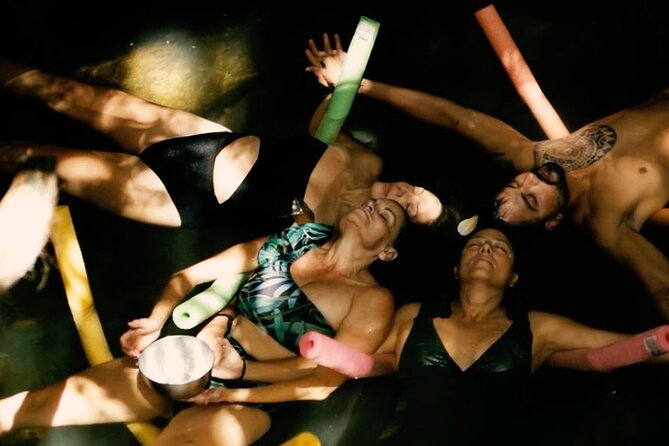
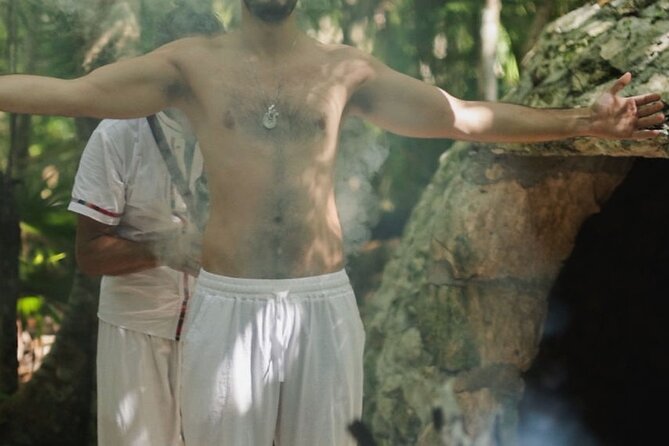
Temazcal is one of the most distinctive elements listed, and it’s also one of the most physically and mentally noticeable. It’s a traditional fire-and-steam style ritual, and in retreat settings it’s often used to support release—emotionally and physically—through heat, breath control, and guided reflection.
Then there’s sound healing. This is where the detox feel can turn from purely mental into sensory. Sound practices can slow your breathing, relax muscle tension, and make meditation feel less like work. The combination of breathwork earlier in the day plus sound later often makes it easier to stay present.
If you’re the type who likes experiences with a clear purpose, this section should click. The retreat doesn’t treat rituals as decoration; it uses them to create a specific internal environment—one focused on acceptance, harmony, and a calmer perception of being.
One practical thought: any steam or heat-based ritual can feel intense. If you’re sensitive to heat, talk with your guide before the session and use any offered modifications.
Cenote Aktun-Ha (Cuzama): practicing in nature
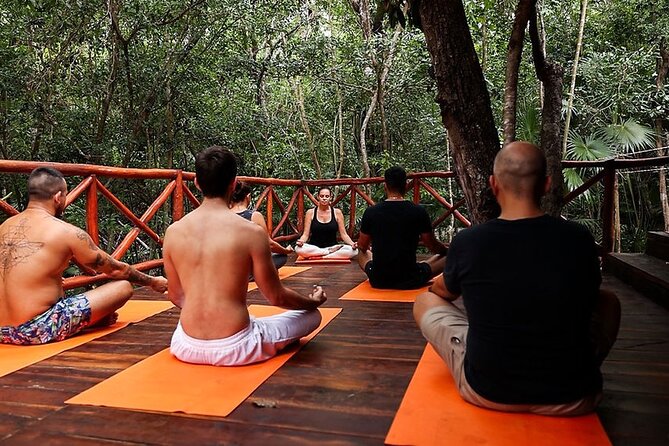
There’s a scheduled stop at Cenote Aktun-Ha (Cuzama), with the retreat beginning from Monte Cibeles 6 and returning there at the end. Cenotes are naturally dramatic places, and that matters for a “detox” concept because the environment changes your sensory input immediately.
A cenote setting can do a few things for your practice. It pulls you out of your usual mental loop, adds a grounded, physical feeling to mindfulness, and makes guided attention easier. You’re not just listening to instructions—you’re experiencing them in real time.
It’s also a change of pace. After breathing and meditation, getting into a very physical nature setting can help your nervous system come back online in a different way. The retreat’s stated focus on hearing, tasting, and perceiving the world differently fits that perfectly.
A heads-up: water environments vary. Wear footwear or protection as recommended on-site, and be ready for early morning conditions because your day starts at 6:00am.
Between sessions: aquagym, massage, and recovery time
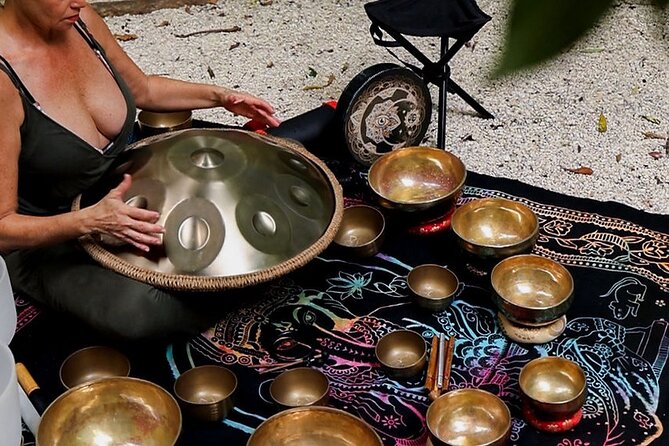
The retreat includes aquagym and massage, which is a smart pairing with the more intense elements like fasting, breathwork, and temazcal. When a program includes both “inner work” and physical recovery, it reduces the chance you’ll feel wrecked by day two.
Aquagym is a nice compromise if you want movement without pounding your joints. It also keeps the experience from becoming only seated practice. For many people, detox retreats feel better when your body gets some gentle exertion rather than only stretching and stillness.
Massage is also a big practical value. You’ll likely have areas that hold tension—neck, shoulders, low back, hips—especially if you’re doing dawn yoga and breath-focused sessions. Bodywork helps you carry the calm you’re training rather than walking around tight and uncomfortable.
The retreat also includes rituals and a final conscious farewell with cacao. That closing matters. It gives your brain a finish line, which makes it easier to integrate what you learned instead of forgetting it the second you hit normal life.
Fasting and fasting-adjacent intensity: how to prepare
Fasting is on the program, but the exact structure (what you can eat and when) isn’t specified in the info you provided. Still, the presence of fasting tells you the retreat expects you to handle some intensity.
Plan ahead in two ways. First, don’t assume you can show up with zero prep if you’re new to breathwork and long meditation. Second, consider how your body reacts to fasting—energy crashes, headaches, mood shifts. If you’ve had issues with fasting before, it’s worth asking your provider how they handle different needs.
The upside is that fasting can support the detox feel. Less digestion load can make it easier to tune into breath and sensation. And when your body is quieter, meditation can feel clearer.
But do treat this as a health-related experience. If you have medical conditions, medications, or a history of eating-related problems, ask directly whether the retreat is a good fit. The program does mention a moderate physical fitness level, which suggests they want you to be able to move and participate consistently.
Price and what $2,000 really buys you for three days

At $2,000 per person for about three days, this isn’t a budget add-on. So the real question is what value you’re getting.
Here’s what stands out: the program includes a dense mix of guided sessions and specialty experiences—dawn yoga, meditation and breathing training, rituals, temazcal, sound healing, aquagym, massage, cacao, and a conscious farewell. You’re not paying only for a yoga class. You’re paying for multiple guided components plus a retreat-style flow and a teacher who adapts to injuries or circumstances.
Also, it’s described as an activity for adults only with a private group setup. Private format is often where value lives, because it can mean less wait-time, less crowding, and more tailored pacing.
Still, be honest with yourself. If you only want gentle stretching and quiet lounging, this may feel too structured. If you want a real reset—breathwork training, ceremonial elements, and a guided path to release mental clutter—then the price starts to make sense.
Who should book, and who should consider a different trip
This retreat fits best if you want a disciplined mind-body practice. The objective is explicit: expand consciousness through physical, mental, and spiritual tools that bring clearer perception and inner harmony. That’s not a casual spa vibe.
You should also consider it if you like guided meditation and you want techniques that help you get out of your head. Elizabeth (Liz) is specifically described as helping people focus through breathing and inner connection, and meditations that feel relaxing rather than forced.
It’s less ideal if you want a fully flexible schedule. The presence of temazcal, fasting, early yoga, and multiple ceremonies means you’ll follow the retreat rhythm. It’s also adults-only, so if you’re traveling with kids, you’ll need a different option.
The retreat is listed for travelers with moderate physical fitness and no children. Service animals are allowed, which is helpful for some guests.
If you’re recovering from injury, the program’s adaptability sounds promising. But ask questions early so you understand modifications for fasting, heat-based rituals, and any movement during aquagym.
Should you book this detox retreat in Tulum?
If you’re craving a structured reset with real teaching behind it, I think this retreat is worth serious consideration. The strongest signals are the guide’s style (Elizabeth/Liz), the non-intimidating way she supports different bodies, and the way the retreat combines breath, meditation, and sensory experiences like sound healing and cenote time.
I’d skip it if you hate early mornings, you’re uncomfortable with fasting, or you want mostly passive downtime. This is a “show up and practice” retreat, not a float-in-the-pool wellness tour.
If you’re undecided, here’s your quick decision checklist:
- You want breathing and meditation tools you can repeat later.
- You’ll like a mix of ritual + practical yoga.
- You can handle heat and the intensity of day two.
- You’re okay spending $2,000 for a tightly packed, guide-led experience.
If those boxes fit, book with confidence and treat the retreat like training for calmer living.
FAQ
How long is the Yoga and Meditation Detox Retreat?
It’s listed as 3 days (approx.).
Where does the retreat take place?
The experience is in Tulum, Mexico. The first stop is Cenote Aktun-Ha (Cuzama), and it starts at Monte Cibeles 6, Santa Fe del Carmen, 77712 Playa del Carmen, Q.R., Mexico.
Is the retreat private, and is it only for adults?
Yes. It’s a private tour/activity, and it’s adults only (no children).
What language is the retreat offered in?
It’s offered in English.
What’s included in the retreat program?
The program includes yoga at dawn, rituals, fasting, temazcal, sound healing, breathing and meditation, aquagym, massage, cocoa, and a conscious farewell.
What happens if you need to cancel or the weather is bad?
The experience is non-refundable and cannot be changed. It requires good weather; if canceled due to poor weather, you’ll be offered a different date or a full refund. It also requires a minimum number of travelers, and if that isn’t met you’ll be offered a different date/experience or a full refund.
More Tour Reviews in Tulum



More Ways to Reset
Not quite it? Here is more to do around Tulum we have been out and reviewed
- Tulum Taco Tour
★ 5.0 · 3 reviews - Tulum: Sport Fishing Experience with Ceviche
★ 4.0 · 3 reviews - Tulum: Half-Day Adventure Zip line Cenote in Mayan Community
★ 3.5 · 3 reviews - Tulum : Dos Ojos cenote 2 scuba dives (certified divers)
★ 5.0 · 3 reviews - Xoximilco Night Cruise With Round Transportation from Tulum City
★ 5.0 · 3 reviews
Temazcal, Yoga & Wellness Rituals, compared.
 ★ 4.0Private or Shared Mayan Temazcal Ritual from TulumFrom $14517 reviews
 ★ 5.0Silent Meditation in the Heart of the Cenote – Private groupsFrom $34412 reviews
 ★ 5.0Temazcal Experience in Tulum Alternative Medicine Maya HeritageFrom $11610 reviews
 ★ 4.0Floating Breakfast+Cavern Tour includes entrance to the cenote-TemazcalFrom $1487 reviews
 ★ 5.0Oceanfront Temazcal Experience in Tulum3 reviews
Browse the lists this tour appears in