
Reviewed · TULUM CENOTE TOURS & SWIMS
Snorkeling Activity in a Cenote Expedition
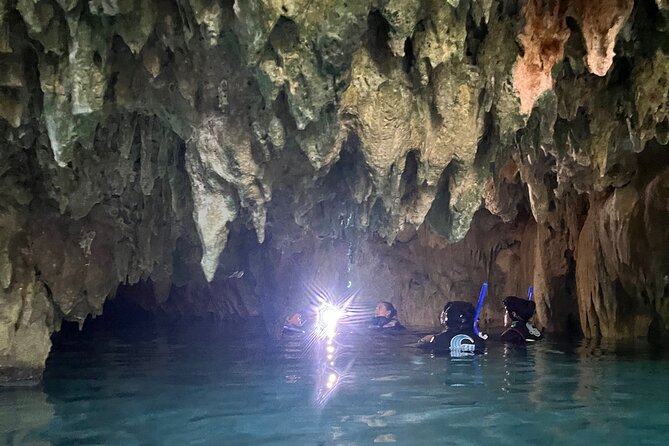
Three cenotes, one underground river, and great guide time. This cenote expedition in Tulum strings together open and cave swimming stops, starting at Casa Cenote and then moving through Sac Actun, with snorkeling later through the long underground river toward the biggest cave system in the American continent. Along the way, you get context on how cenotes formed and what they meant to Mayan life, so it feels more like a story than a quick dip.
Two things I really like: the route shows you different “moods” of the Yucatán underwater world, and the experience is guided by Luis, who mixes Mayan culture, regional history, and practical snorkeling pacing. One thing to consider is that part of the trip is in cave conditions, so if you dislike enclosed spaces or don’t like being in the water for a sustained stretch, think carefully.
In This Review
- Key Cenote Snorkeling Highlights
- How the Cenote Route Gets You From Light to Cave
- Casa Cenote Stop 1: Open Water, Wildlife, and Easy Orientation
- Sac Actun Stop 2: Where the Cave World Starts to Take Over
- Snorkeling Through the Long Underground River to the Final Cave
- Gear, Pacing, and How You’ll Feel During 4 Hours
- Price and Value: Is $148.87 Worth It?
- What to Ask Luis: Food Tips and Photo Help
- Who This Cenote Tour Fits Best
- Quick Practical Checklist Before You Go
- Should You Book This Cenote Snorkeling Tour?
- FAQ
- How long is the cenote snorkeling expedition?
- Do I get pickup in Tulum?
- Is the tour private?
- What language is the tour offered in?
- What cenotes are included?
- Is there free cancellation?
Key Cenote Snorkeling Highlights
- Casa Cenote sets the tone with open-water views and wildlife you might spot close by.
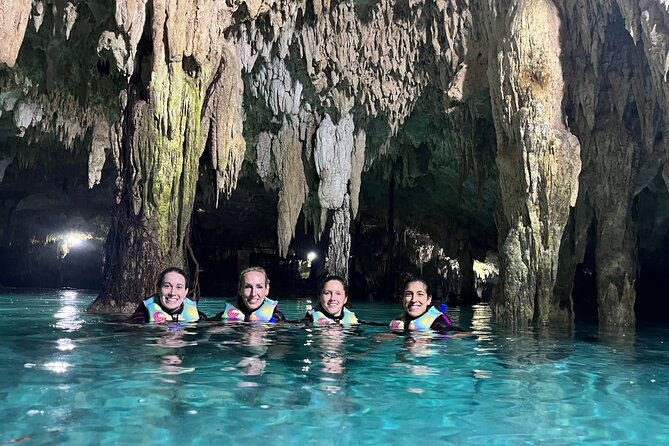
- Sac Actun shifts the experience toward cave scenery, including bats, stalactites, and stalagmites.
- You snorkel the long underground river route that connects to the final cave area.
- Luis adds meaning, not just scenery, with stories about how cenotes formed and what they represented.
- Photo help can be a big plus if you don’t bring an underwater camera.
- You get the route paced for your comfort, including time to ask questions and move at your own speed.
More cenotes to float, swim and snorkel around Tulum
- Chichen Itza, Cenote and Valladolid Small Group Day Trip★ 5.0 · 2,104 reviews
- Tulum Guided Tour, Magical Cenote, Lagoon Snorkeling and Beachside Lunch★ 5.0 · 1,888 reviews
- Tulum Ruins, Turtles in Akumal and Cenote tour★ 5.0 · 1,706 reviews
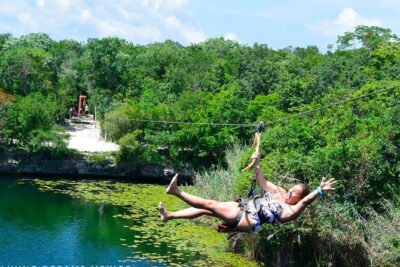
- Selva Maya Eco Adventure Park: Ziplining, Hanging Bridges, Rappelling and Cenote★ 5.0 · 1,057 reviews
How the Cenote Route Gets You From Light to Cave
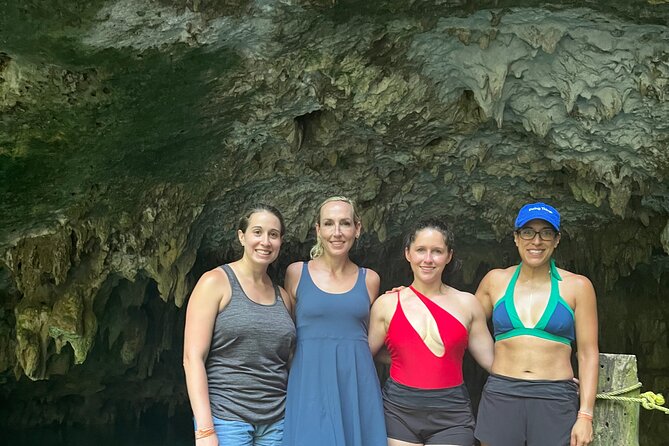
This is built around three cenotes, each with a different feel: one open, one described as open with cave features, and one that’s fully cave. You’re not just moving from one hole in the ground to another. The big idea is the transition. You start in daylight conditions where the water surface and shoreline are easier to read, then you gradually shift into darker cave systems where the ceiling shapes the whole mood.
You’ll also hear why cenotes exist in the first place. The tour talks through how they formed and when those changes happened, which helps when you’re looking at columns, formations, and the water’s clarity. Without the background, it can look like “pretty rocks.” With the background, you start to notice patterns and understand why the underground world looks the way it does.
The timing matters too. This trip runs about four hours, during the posted daytime window, which is a practical choice in Tulum because you avoid turning the day into a full marathon. You’ll also have pickup from your agreed location, which saves time and stress.
Casa Cenote Stop 1: Open Water, Wildlife, and Easy Orientation
Casa Cenote is where the expedition kicks off. This stop is the most straightforward entry point into the experience: open-water conditions that make it easier to orient yourself, get used to snorkeling gear, and find your rhythm in the water.
What I find especially appealing here is that it’s not only about scenery. The open cenote setup can put you in range of natural life. One guide-led moment can make a big difference, like when you quietly float past birds or crabs. There’s even mention of a resident crocodile sunning itself on the rocks. That sounds intense, but the key detail is how the guide frames it: these crocodiles eat fish and are nocturnal, so you’re not dealing with constant action. The practical takeaway for you is simple: keep a respectful distance, move calmly, and let the animal have its space.
For most people, an open-water start is the smartest way to build confidence. If you’re nervous about snorkeling, this first stop is where you learn how your breathing and buoyancy feel in a cenote.
Tip for comfort: plan on slow, steady movements. The calmer you are, the more you’ll notice what’s around you instead of thinking about your gear.
Sac Actun Stop 2: Where the Cave World Starts to Take Over
Next comes Sac Actun. This is where the cenote experience shifts into something more dramatic. Instead of only open water, you start noticing cave features close by: darker pockets, rock formations, and the sense that the waterway is part of a bigger underground system.
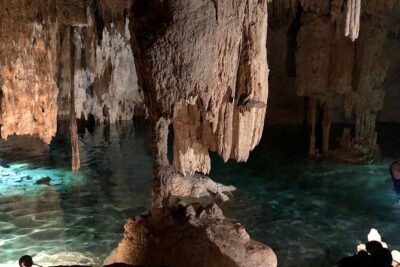
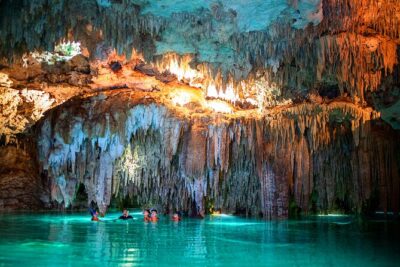
From the descriptions you’ll hear on the tour, Sac Actun includes a mix of open-cave elements and classic cave underwater sights. People mention fish and bats, plus scenery like tree islands with a hole at the top. You might also see areas with stalagmites and stalactites, along with stone columns that look like they belong in a cathedral.
Why this matters for you: this stop teaches you how cenote swimming is different from ocean snorkeling. In the ocean, waves keep changing the view. In a cenote, the water is calmer and the world stays put long enough for you to really look. Once you’re in this second stage, you’ll likely feel the “underground river” idea more clearly.
This is also where having a good guide becomes more than nice-to-have. The tour is designed around safety and pacing, and Luis’s job is to keep you feeling secure while still letting you explore at a comfortable speed. If you want to ask questions, this is a good time to do it, since the scenery invites curiosity.
Swim with more turtles and reef fish out at Akumal


Snorkeling Through the Long Underground River to the Final Cave
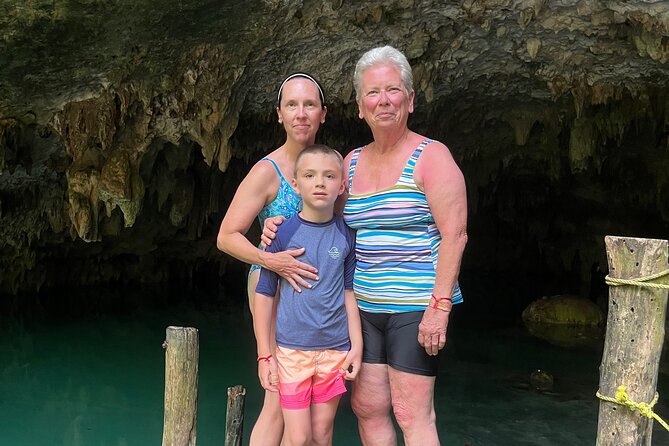
The standout promise in this expedition is the transition from the second cenote to the third through the long underground river route. The tour description highlights this as the longest underground river in the world, and also points to the fact that the final cave system is the biggest in the American continent. Even if you come without a geography brain, you’ll still feel the scale once you’re moving through connected passages.
What you’ll be looking for here is less about “a single photo moment” and more about the overall feeling of being inside the landscape. Cave conditions can reduce the “surface orientation” you’re used to. That means you’ll benefit from staying focused on your guide’s pace, keeping your movements smooth, and watching the way the light changes as you move along.
A practical note: the cave environment can be visually intense, so it helps to mentally prepare for a longer stretch where you’re underwater and watching your surroundings carefully. If you’re comfortable with snorkeling and you want the most memorable part of Tulum’s cenote systems, this final section is the reason to book.
Also, if you don’t bring an underwater camera, Luis can help with photos. That little detail can be the difference between leaving with a few blurry shots and actually having memories that match what you experienced.
Gear, Pacing, and How You’ll Feel During 4 Hours
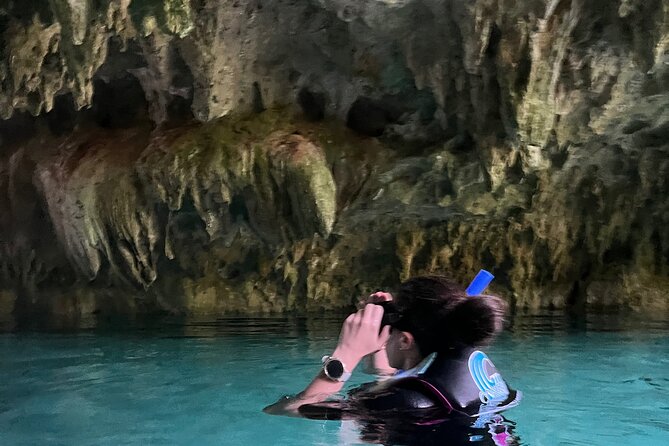
This is a private tour, meaning it’s only your group. That matters because cenotes are not a “run and sprint” attraction. Private time lets you match your pace to the water and formations. If you want to linger, ask questions, or slow down when you get a bit nervous, a private format makes it easier.
You’ll have snorkel equipment provided, so you’re not arriving needing to rent or guess what kind of fit you’ll get. The guide also brings practical experience for how to move through cenote water without stirring things up or getting overwhelmed.
From the tone of the experience, Luis’s style seems to focus on safety and fun without rushing. People describe feeling safe and exploring at their own speed. That’s exactly what you want. In caves and connected waterways, confidence comes from predictable pacing, not from being pressured to keep up.
Language-wise, the tour is offered in English. That’s a comfort factor if you want the story of the place explained clearly while you’re wearing a mask and trying to stay focused.
Finally, the duration is about 4 hours. That’s long enough for multiple cenote moods and the cave-system highlight, but short enough that you still have your evening available in Tulum.
Price and Value: Is $148.87 Worth It?
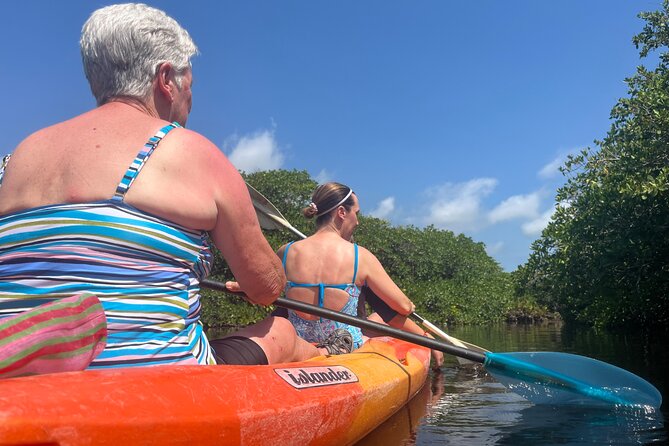
At $148.87 per person for roughly four hours, you’re paying for more than just snorkeling gear. You’re paying for a route that includes multiple cenotes with different environments, plus a guide who connects what you see to Mayan culture and regional history. You’re also paying for the convenience of pickup from your location.
The best value signal here is the combination: (1) multiple cenote types instead of one stop, (2) a cave-system route via the underground river connection, and (3) a private format. Even if you’re going solo, the experience is structured to make it work as a solo activity at a competitive price point, according to the feedback around this tour.
Could you find cheaper snorkeling? Sure. But if the bargain option cuts corners on route quality, guide explanation, or time to explore, you’ll feel it. Cenotes are one of those places where the “order of stops” and the guide’s pacing can strongly affect your enjoyment.
For many people, the real value is the story you get mid-swim. Learning how cenotes formed and what they meant makes the formations feel intentional, not random.
What to Ask Luis: Food Tips and Photo Help
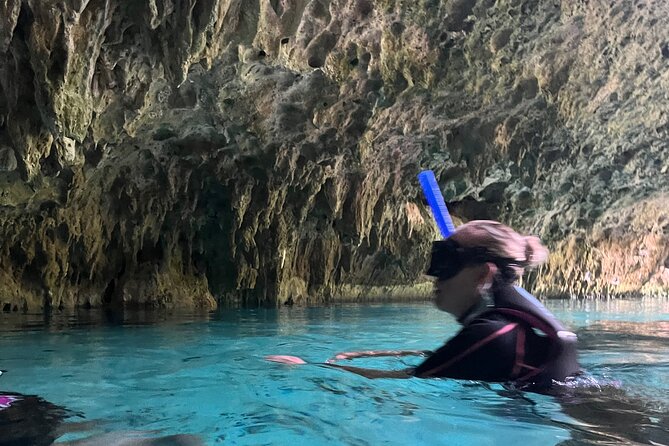
Luis stands out in the details, and that’s where you get extra value. People mention that he’s friendly and mixes cultural context with practical snorkeling pacing. Two useful ideas for you if you book:
- If you’re interested in Tulum local food, ask Luis for help on where to eat. You’ll get something more tailored than a generic list.
- If you don’t have an underwater camera, tell Luis early. He can take pictures for you, which is one of those “silent perks” that matters when you’re trying to capture the cave scenery.
These aren’t “bonus trivia.” They directly affect how satisfied you feel after the tour ends and you start sorting photos.
Who This Cenote Tour Fits Best
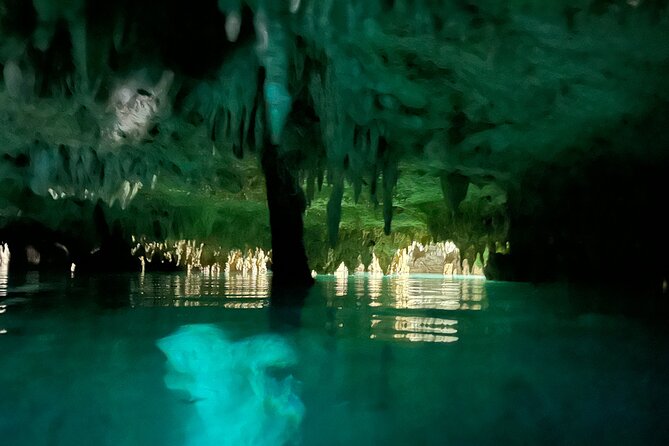
This expedition is a great match if you want a curated cenote route with variety and context. It’s especially good for people who enjoy learning while they’re moving, since the tour includes history and formation explanations, not just a checklist of stops.
It also fits well if you care about pacing. The private setup and guide-led rhythm make it easier to explore at your own speed, including when you want to ask questions.
The main mismatch is preference. If you strongly dislike being in cave conditions, or you get uneasy in enclosed or darker environments, this might not be your best day. The tour includes open-water snorkeling, but it does have cave sections as a core part of the experience.
Quick Practical Checklist Before You Go
A few things help you have a smoother time:
- Bring your own waterproof plan for phones if you want photos, but also know Luis can help if you don’t have an underwater camera.
- Wear swimwear you’re comfortable staying in for several hours.
- Plan for a full sensory shift: open cenote light to cave darkness is part of the design.
- If you see a resident animal like a crocodile, slow down and keep distance. Calm movements are the whole strategy.
Should You Book This Cenote Snorkeling Tour?
I’d book this tour if you want the full Tulum cenote story in a single afternoon: open water to cave systems, connected by the underground river route, with a guide who explains what you’re seeing and keeps the experience paced.
I’d pause and look at alternatives if you know caves and enclosed water environments make you uncomfortable. This tour is built around them, not around avoiding them.
If you’re aiming for a memorable cenote day with strong guidance, variety across three cenotes, and photo help that actually saves your memories, this one is a very solid choice.
FAQ
How long is the cenote snorkeling expedition?
It runs about 4 hours (approx.).
Do I get pickup in Tulum?
Yes. Pickup is offered from your location agreed with the tour.
Is the tour private?
Yes. It’s private, and only your group participates.
What language is the tour offered in?
The tour is offered in English.
What cenotes are included?
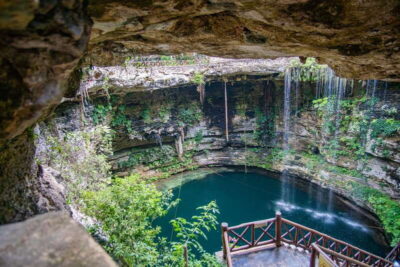
The route includes three cenotes: one open, one open and cave, and one cave. Casa Cenote is the first stop, and the second cenote is described as Sac Actun.
Is there free cancellation?
Yes. You can cancel up to 24 hours in advance for a full refund. If you cancel less than 24 hours before the start time, it isn’t refunded.
More Tour Reviews in Tulum
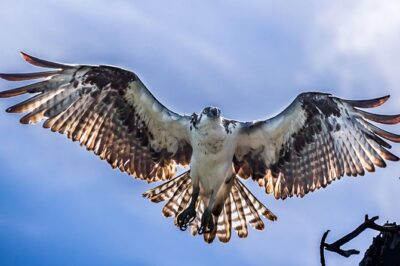
More Turtles and Reef at Akumal
Tulum's Cenotes, Keep Swimming
Not quite it? Here is more to do around Tulum we have been out and reviewed
- Tulum Taco Tour
★ 5.0 · 3 reviews - Tulum: Sport Fishing Experience with Ceviche
★ 4.0 · 3 reviews - Tulum: Half-Day Adventure Zip line Cenote in Mayan Community
★ 3.5 · 3 reviews - Tulum : Dos Ojos cenote 2 scuba dives (certified divers)
★ 5.0 · 3 reviews - Xoximilco Night Cruise With Round Transportation from Tulum City
★ 5.0 · 3 reviews
Tulum Cenote Tours & Swims, compared.
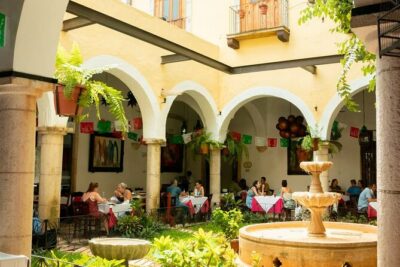 ★ 5.0Chichen Itza, Cenote and Valladolid Small Group Day TripFrom $2142,104 reviews
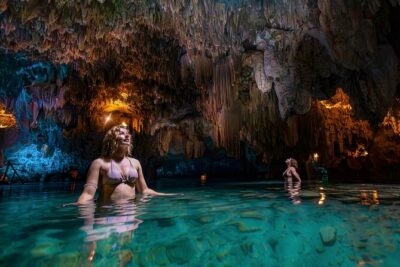 ★ 5.0Tulum Guided Tour, Magical Cenote, Lagoon Snorkeling and Beachside LunchFrom $1691,888 reviews
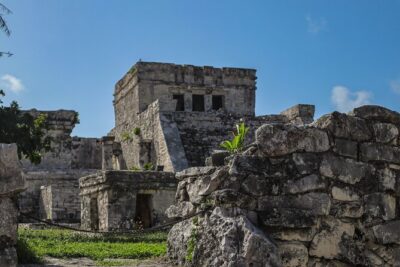 ★ 5.0Tulum Ruins, Turtles in Akumal and Cenote tourFrom $1291,706 reviews
 ★ 5.0Selva Maya Eco Adventure Park: Ziplining, Hanging Bridges, Rappelling and CenoteFrom $801,057 reviews
 ★ 5.0Magical Cenote and Paradise Lagoon Snorkeling AdventureFrom $99808 reviews
 ★ 5.04 Private Cenotes, Zip-Lines, Canoes & Mayan Village with Delicious LunchFrom $275757 reviews
 ★ 4.6Riviera Maya: Coba & Chichen Itza Ruins with Cenote SwimFrom $971627 reviews
 ★ 4.0Tulum and Coba with Cenote Swim and Lunch from CancunFrom $89595 reviews
Browse the lists this tour appears in