
Reviewed · TULUM CENOTE TOURS & SWIMS
Half day Cave Cenotes Expedition
Two cenotes in half a day. Worth it, if you want swimming plus geology and a dose of Maya meaning. I like that this Yax-Muul park plan puts you in two different waters: the semi-open Yum Ha Cenote and the fully covered Sol y Luna cave. I also love when the guide connects what you’re doing in the water to why cenotes mattered to the Maya, like Alberto did with his clear, story-based explanations.
The only real watch-out is that the cave part depends on steady pace and correct support. In a fully covered cenote, conditions can be tricky, so you should pay close attention to lifejacket fit and whether the guide keeps the group together—especially if you’re not a confident swimmer.
In This Review
- Key things to know before you go
- How the half-day Yax-Muul loop starts in Tulum
- Stop 1: Yum Ha Cenote’s swim-and-slow-down vibe
- Stop 2: Sol y Luna Cave Cenote and swimming through stalactites
- Safety and pacing: the non-negotiables in a cave cenote
- Price and value: what $109 buys you in practice
- What you’ll actually do at each cenote
- What to wear and bring for a smoother swim
- Maya meaning: why your guide’s stories matter
- Who this tour fits best (and who should reconsider)
- Should you book this Half Day Cave Cenotes Expedition?
- FAQ
- How long is the Half Day Cave Cenotes Expedition?
- Where does the tour start in Tulum?
- What cenotes are included?
- How big is the group?
- What language is the tour offered in?
- Is transport included?
- Is bottled water included?
- What’s not included?
- Is there any requirement for physical fitness or kids?
- What if I cancel?
Key things to know before you go
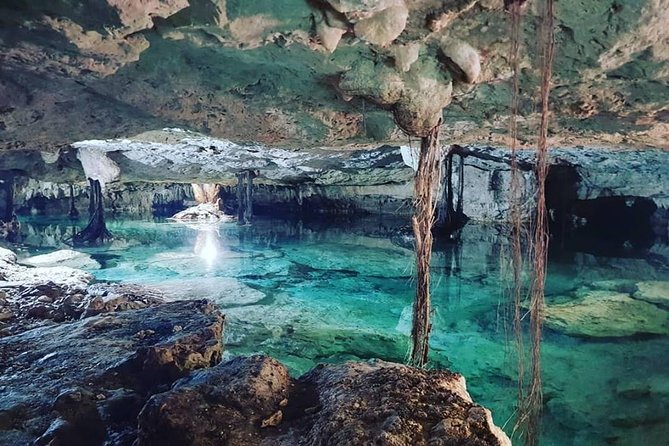
- Two cenotes, two moods: Yum Ha feels more like a pool; Sol y Luna is a cave swim with overhead formations.
- Small group (max 12): you’re less likely to get ignored when questions come up.
- A guide who talks Maya context: you’ll hear why cenotes are sacred waters, not just pretty holes in the ground.
- Low light is part of the fun: a guide uses a flashlight, and bringing a headlamp can help you see more.
- Water shoes make a difference: rocks can be slippery, and it’s smart to plan for traction.
More cenotes to float, swim and snorkel around Tulum
- Chichen Itza, Cenote and Valladolid Small Group Day Trip★ 5.0 · 2,104 reviews
- Tulum Guided Tour, Magical Cenote, Lagoon Snorkeling and Beachside Lunch★ 5.0 · 1,888 reviews
- Tulum Ruins, Turtles in Akumal and Cenote tour★ 5.0 · 1,706 reviews
- Selva Maya Eco Adventure Park: Ziplining, Hanging Bridges, Rappelling and Cenote★ 5.0 · 1,057 reviews
How the half-day Yax-Muul loop starts in Tulum
This is a 4-hour (approx.) outing built for a half-day slot, not an all-day excursion. You meet at ITour Mexico Riviera Maya Tulum Eco Tours in Tulum Centro, and the tour returns you back to the same meeting point. The group rides together in an air-conditioned minivan, and the meeting spot is described as being near public transportation.
One practical reality: getting around the area takes time. You’re not trying to race down smooth highways. Roads can be rough, so the driver can’t always go fast, which means you settle in for the long road-to-water feeling. If you’re the type who gets cranky during travel time, pack patience with your swimsuit.
Stop 1: Yum Ha Cenote’s swim-and-slow-down vibe
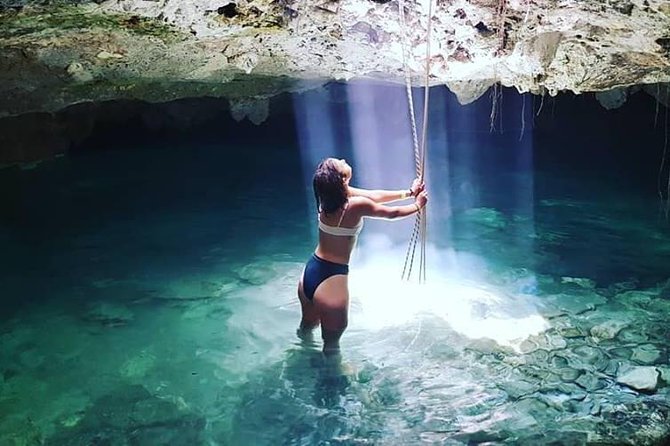
Yum Ha Cenote is your first water. It’s described as semi-open, meaning you get some natural light and a more open sense of space. For many people, that matters. The first minutes in a cenote can feel like switching from street travel mode into “okay, where are my footing options” mode.
At Yum Ha, plan on spending time getting used to the setting. The rocks can be slippery, and you’re moving on uneven, wet surfaces before you’re in full swim mode. A water-shoe suggestion comes up for good reason: it’s the difference between careful footing and constantly thinking about your ankles.
This is also where the guide’s tone sets the experience. When the guide is on point, you’ll get context for what you’re seeing—especially why cenotes were so important to the Maya. In one account, Alberto shared Maya cultural history and the sacred-water meaning behind the cenotes, and that kind of storytelling makes the first stop feel more like a living place than a photo stop.
What you’ll love here: the lighter feel compared with the cave, and the chance to settle in before going fully underground.
What to consider: if you’re not steady on slippery rocks, take your time. The first stop is your training session.
Stop 2: Sol y Luna Cave Cenote and swimming through stalactites
Then comes the main event: Sol y Luna Cave Cenote. This one is fully covered, so you’re in low light and moving in tighter, darker space. The ceiling becomes part of the view, with stalactites and stalagmites you can swim alongside and look up at as you move through.
Lighting is handled by the guide with a flashlight. A headlamp isn’t required, but it can be useful because it helps you see more of what’s around you while you’re swimming and listening. Just keep in mind that any light you bring is extra gear to manage in water—so don’t turn it into a distraction.
Lifejackets are required here and are described as being supplied. That’s great, but here’s the key practical point: make sure the vest fits you correctly before you enter the water. A lifejacket that’s loose or uncomfortable can become more of a hassle than a safety tool, especially in a cave where you can’t easily reset or stand around.
What you’ll love here: the cave atmosphere, swimming among formations, and that wow factor when the ceiling fills your view.
What to consider: low light means pace and group control matter more. If you’re behind, you need the guide to notice and regroup.

Safety and pacing: the non-negotiables in a cave cenote
A cave cenote is not the place for drifting, rushing, or pretending you’re fine when you’re not. This tour is built with a small group size—up to 12 travelers—which should help with hands-on guidance and easier crowd control. Still, the cave portion needs attention to three basics:
Lifejacket fit
Before the swim, check that your lifejacket works for your body size and stays comfortable. If anything feels off, say so immediately. You shouldn’t have to struggle while others move on.
Group spacing
In a fully covered cenote, you can’t see like you do outside. The guide should keep everyone moving together so no one gets left behind in the dark. If you notice the group stretching out, ask the guide to slow down.
Swim comfort
This tour notes moderate physical fitness as the requirement. That doesn’t mean you need to be a competitive swimmer, but you should be able to handle wet, slippery surfaces and swim in a cave environment while staying calm. If you’re nervous, be honest early—guides can often help adjust how you approach the water.
The upside: the tour is designed to balance safety and access, and the guide is expected to manage the cave portion. The downside: cave lighting and water movement mean you have to stay alert and communicate fast if something feels wrong.
Price and value: what $109 buys you in practice
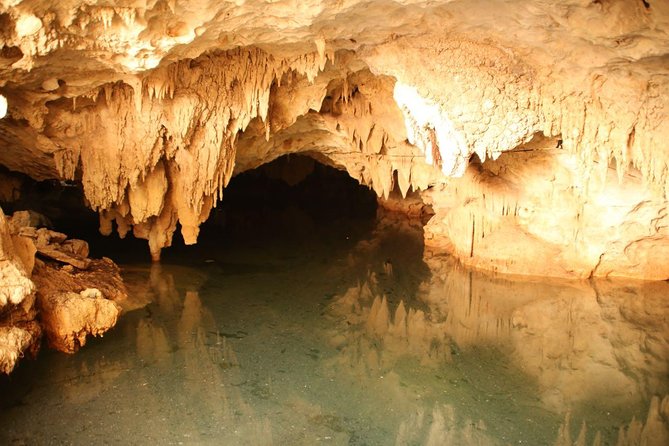
At $109 per person, this is a mid-range price for a half-day cenote combo. The reason it can still feel like good value is what you’re getting inside the time box:
- Local guide (not just a drop-off)
- Transport by air-conditioned minivan
- Bottled water to stay hydrated
- A regional lunch after the cenote stops
- Admission is described as free in the tour schedule details
- Souvenir photos are the only listed add-on that isn’t included
For a cenote tour, those inclusions matter. Getting a guide who can explain what you’re seeing and why it matters is usually the difference between a checklist swim and a memorable experience. And lunch + water keeps you from scrambling for food right after the underground water work.
Does $109 mean you’ll get luxury comfort? No. But it does mean the logistics are handled, and your day is built around two specific cenotes in about four hours, not a slow patchwork of waiting around.
What you’ll actually do at each cenote
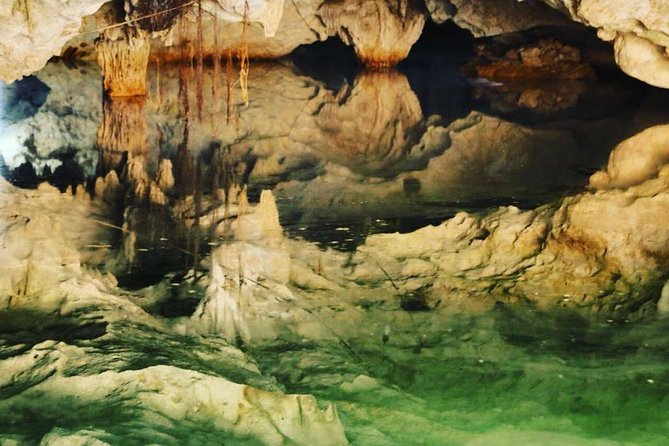
Here’s the simple flow of the day, translated into what it feels like on the ground:
1) Yum Ha Cenote (semi-open)
You start in brighter conditions, spend time getting comfortable on wet rocks, then do a refreshing swim in a more open setting.
2) Sol y Luna Cave Cenote (fully covered)
You move into a darker cave environment, swim through areas where stalactites and stalagmites dominate the ceiling, and rely on guide lighting (plus optional headlamps) for visibility.
3) Lunch break
After you’ve worked up an appetite from swimming, you eat a regional lunch before the day ends back at the meeting point.
That structure is efficient. It also means you should plan your day around swimming time, not sightseeing fatigue. If you’re coming from other activities right before this, consider easing up on the schedule so you’re not tired in the water.
What to wear and bring for a smoother swim
Two items come up in the most practical way—because they directly affect comfort and safety:
Water shoes
Since rocks can be slippery at the first cenote, water shoes are a smart idea. They help you move without constantly testing each step.
Headlamp (optional)
A headlamp can help you see more during the cave swim, even though the guide carries a flashlight. If you like having extra visibility, bring one. If you’re prone to fiddling with gear mid-activity, skip it.
Outside of that, keep your plan simple: you want to focus on the water and formations, not on managing extra stuff.
Maya meaning: why your guide’s stories matter
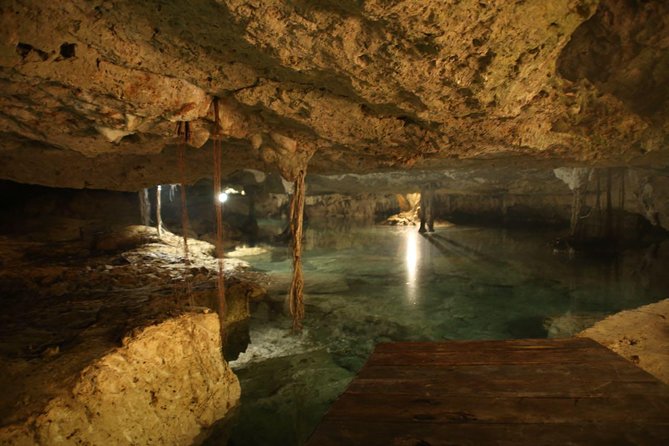
One of the best parts of a guided cenote trip is that it frames the water as more than scenery. In one account, Alberto was kind and informative, and he explained Maya culture and the importance of cenotes as sacred waters.
Even if you’re mostly there for swimming, those explanations change how you notice things. You start thinking about the cenote as a natural feature tied to belief, ritual, and community, not just a cool swimming hole. That context is especially helpful at the cave stop, where the atmosphere feels older and more intense.
Who this tour fits best (and who should reconsider)
This half-day outing works best if you want:
- Swimming in two different cenote environments
- A small group and a guide who can talk while you move
- A mix of natural formations plus cultural context
It’s also a good fit for people who like structure: two defined stops, then food, then back to town.
Consider another option if:
- You’re uncomfortable swimming in low light
- You expect a slow, laid-back pace and don’t want to feel pressure to keep up
- Your physical comfort level is low for wet, slippery surfaces
And if you’re traveling with kids, the tour info is clear: children must be accompanied by an adult. That’s non-optional.
Should you book this Half Day Cave Cenotes Expedition?
Book it if you’re excited by the idea of two cenotes in one half-day, especially the contrast between Yum Ha’s lighter feel and Sol y Luna’s fully covered cave swim. For many people, the standout value is the combination of guided context, a small group size, and a schedule that doesn’t waste your day.
Hold off or choose carefully if you know you get anxious in dark water or you struggle with fit/comfort in lifejackets. Your best move is simple: check that your lifejacket fits well, speak up early if you’re unsure about your swim comfort, and make sure the group stays together during the cave portion.
If you match the tour’s physical and comfort level, this is a solid way to experience Yax-Muul without losing half your vacation to travel and delays.
FAQ
How long is the Half Day Cave Cenotes Expedition?
The tour lasts about 4 hours.
Where does the tour start in Tulum?
You start at ITour Mexico Riviera Maya Tulum Eco Tours, Avenida Coba Crucero Avenida Tulum S/N, Mz 9 Lote 2, Tulum Centro, Centro, 77780 Tulum, Q.R., Mexico.
What cenotes are included?
The tour includes Yum Ha Cenote and Sol y Luna Cave Cenote in the Yax-Muul park.
How big is the group?
This activity has a maximum of 12 travelers per booking.
What language is the tour offered in?
It is offered in English, and it may be operated by a multi-lingual guide.
Is transport included?
Yes. You get transport by air-conditioned minivan.
Is bottled water included?
The tour highlights say bottled water is provided to help you stay hydrated during the exploration.
What’s not included?
Souvenir photos are not included and are available for purchase.
Is there any requirement for physical fitness or kids?
You should have a moderate physical fitness level, and children must be accompanied by an adult.
What if I cancel?
You can cancel up to 24 hours in advance for a full refund.
More Tour Reviews in Tulum
Tulum's Cenotes, Keep Swimming
Not quite it? Here is more to do around Tulum we have been out and reviewed
- Tulum Taco Tour
★ 5.0 · 3 reviews - Tulum: Sport Fishing Experience with Ceviche
★ 4.0 · 3 reviews - Tulum: Half-Day Adventure Zip line Cenote in Mayan Community
★ 3.5 · 3 reviews - Tulum : Dos Ojos cenote 2 scuba dives (certified divers)
★ 5.0 · 3 reviews - Xoximilco Night Cruise With Round Transportation from Tulum City
★ 5.0 · 3 reviews
Tulum Cenote Tours & Swims, compared.
 ★ 5.0Chichen Itza, Cenote and Valladolid Small Group Day TripFrom $2142,104 reviews
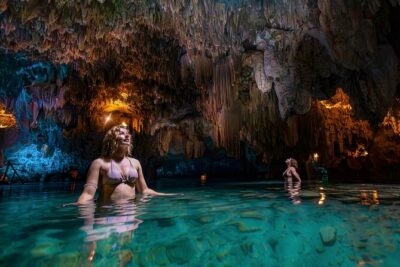 ★ 5.0Tulum Guided Tour, Magical Cenote, Lagoon Snorkeling and Beachside LunchFrom $1691,888 reviews
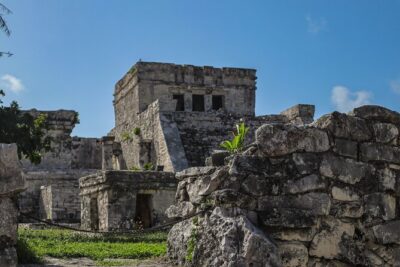 ★ 5.0Tulum Ruins, Turtles in Akumal and Cenote tourFrom $1291,706 reviews
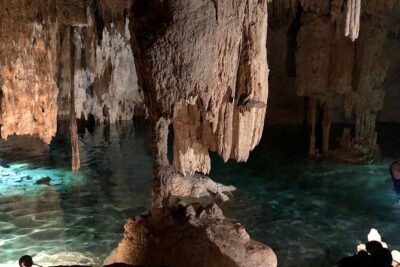 ★ 5.0Selva Maya Eco Adventure Park: Ziplining, Hanging Bridges, Rappelling and CenoteFrom $801,057 reviews
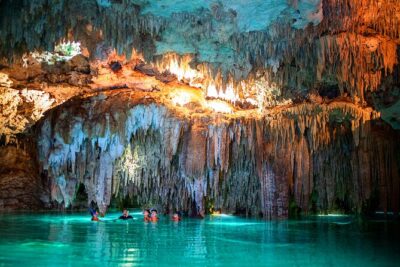 ★ 5.0Magical Cenote and Paradise Lagoon Snorkeling AdventureFrom $99808 reviews
 ★ 5.04 Private Cenotes, Zip-Lines, Canoes & Mayan Village with Delicious LunchFrom $275757 reviews
 ★ 4.6Riviera Maya: Coba & Chichen Itza Ruins with Cenote SwimFrom $971627 reviews
 ★ 4.0Tulum and Coba with Cenote Swim and Lunch from CancunFrom $89595 reviews
Browse the lists this tour appears in